
The Room Where Every Day Begins and Ends

Introduction: The Room Where Every Day Begins and Ends
Your bedroom is the first space you see in the morning and the last one you see at night. It is where you rest, recharge and spend some of your most private, unhurried moments.
Yet the bedroom is often the last room we think about decorating. Living rooms are styled for guests and dining tables for gatherings, while the bedroom is left with whatever bedding happens to be clean.
A beautiful bedroom does not need a large floor plan or an expensive renovation. Much of its character comes from textiles: the bedsheets you sleep on, the quilt folded at the foot of the bed, the cushions propped against the headboard and the colours that tie them together.
Get those details right and even a simple room can feel calm, layered and welcoming.
At CLEEO, we believe thoughtful living begins with everyday rituals, and few rituals matter more than how you rest. Our approach brings together South American charm and Indian craftsmanship, celebrating textiles and details that make a bedroom feel personal.
In this guide, discover how to plan your bedroom, choose a colour palette, layer bedding, select quilts suited to Indian weather and style a bed that looks as good as it feels.
In this guide
- Start with How You Use Your Bedroom
- Choose Bedroom Colours for a Calm, Restful Space
- Understand Your Bedding Essentials
- How to Layer Bedding Like a Stylist
- Quilt vs Comforter vs Bedspread: Which Should You Choose?
- How to Choose Bedding for Indian Weather
- How to Mix and Match Bed Linen, Quilts and Cushions
- How to Style a Bed Like a Luxury Hotel
- Small Bedroom Styling Ideas That Make a Room Feel Bigger
- Finish the Room with Bedside and Wall Details
- How to Care for Cotton Quilts and Printed Bedding
- Common Bedroom Styling Mistakes to Avoid
- Refresh Your Bedroom in a Weekend
- Frequently Asked Questions About Bedroom Styling
- Final Thoughts: Create a Bedroom That Feels Like a Retreat
Part 1Start with How You Use Your Bedroom
Before choosing bedding or décor, think about what your bedroom needs to do for you.
For some, it is purely a place to sleep. For others, it doubles as a reading nook, a work corner, a dressing area or a quiet space to unwind away from the rest of the household.
Understanding how you use the room helps you make better choices about furniture, storage, lighting and textiles.
Position the bed thoughtfully
The bed is the visual anchor of the room. Wherever possible, place it against a solid wall with clear access from both sides.
Avoid positioning it directly beneath a window if strong afternoon sun or street noise will disturb your rest. Leave enough space to walk around the bed and open wardrobes and drawers comfortably.
Keep pathways clear
A bedroom feels calmer when you can move through it easily. Measure the room before adding bedside tables, benches or chairs, and leave comfortable walkways between pieces.
Plan storage early
Visible clutter is one of the quickest ways to make a bedroom feel restless. Consider where clothes, extra bedding, books and everyday items will live before you start decorating.
Styling tip: Stand at the bedroom door and notice what you see first. That view, usually the bed and the wall behind it, deserves the most attention when you style the room.
Part 2Choose Bedroom Colours for a Calm, Restful Space
Colour sets the mood of a bedroom more than almost any other element. The right palette can make a room feel soothing, cosy, airy or quietly dramatic.
Begin with a soft foundation
Walls, curtains and large furniture form the backdrop of the room. Warm whites, ivory, beige, soft greys and pale earthy tones create a versatile foundation that works with many bedding styles.
A neutral backdrop also makes it easier to change your bedding and cushions with the seasons.
Introduce colour through textiles
Bedding is one of the easiest and most affordable ways to bring colour into a bedroom. Instead of painting walls, you can introduce colour through quilts, bedsheets, cushion covers and throws.

Try these combinations:
- Ivory and sage green: fresh, natural and restful.
- Beige and terracotta: warm, earthy and inviting.
- White and indigo blue: crisp, classic and calm.
- Dusty pink and soft grey: gentle and contemporary.
- Cream and mustard: cheerful without feeling loud.
These are starting points rather than rules. Consider your room's natural light, flooring and furniture before deciding.
Light versus deep colours
Lighter shades can help a compact bedroom feel more open and are a natural choice for rooms that receive less daylight. Deeper colours, such as forest green, navy or rust, can create a richer, more enveloping atmosphere in larger rooms.
If you are unsure, keep the walls light and experiment with deeper colours through bedding first.
Part 3Understand Your Bedding Essentials
A well-styled bed is built in layers. Before you think about styling, it helps to know what each layer does.
Bedsheets
The fitted or flat bedsheet is the layer you sleep directly on, so comfort matters most. In most Indian homes, breathable cotton is a popular choice because it feels soft, absorbs moisture and suits warm weather.
Check the size of your mattress, including its depth, before buying.
Pillowcases
Pillowcases can match your bedsheet for a coordinated look or contrast with it to add interest. A solid pillowcase paired with a printed sheet, or the reverse, is an easy way to balance pattern.
Quilts, comforters and bedspreads
This is the top layer that gives your bed most of its character. Quilts, comforters and bedspreads differ in weight, warmth and how they drape. We look at the differences in section 5.
Cushions and throws
Cushions and throws are the finishing layer. They add colour, texture and softness, and they are the easiest elements to change when you want to refresh the room.

Explore the CLEEO Bedding Collection for quilts and bedsheets that bring character to your bedroom.
Part 4How to Layer Bedding Like a Stylist
Layering is what separates a bed that looks flat from one that looks inviting. It adds depth, texture and a sense of comfort before you even lie down.
Step 1: Start with a smooth base
Begin with a well-fitted bedsheet. Tuck it neatly so the base looks crisp. Wrinkled or loose sheets can make the entire bed look untidy, however beautiful the top layers are.
Step 2: Add your main top layer
Spread your quilt or bedspread evenly over the bed. You can let it fall over the sides for a relaxed look or fold the top edge back to reveal the sheet beneath.
Step 3: Fold an accent layer at the foot
A second quilt, throw or folded blanket across the lower third of the bed adds colour and depth. It is also practical on cooler nights.
Step 4: Arrange pillows and cushions
Place sleeping pillows against the headboard first, then add decorative cushions in front. Vary the sizes and textures for a more considered look.

Step 5: Step back and edit
Look at the bed from the doorway. If it feels busy, remove a cushion or simplify a pattern. If it feels flat, add a textured throw or a contrasting cushion.
The aim is a bed that looks inviting, not one that takes ten minutes to clear before you can sleep in it.
Part 5Quilt vs Comforter vs Bedspread: Which Should You Choose?
These three terms are often used interchangeably, but they suit different needs. Knowing the difference helps you choose the right top layer for your bed and climate.
| Quilt | Comforter | Bedspread | |
|---|---|---|---|
| Construction | Layers of fabric stitched together, often with a thin filling | Thick, fluffy filling enclosed in fabric | A single, lighter decorative layer |
| Warmth | Light to medium | Medium to high | Light |
| Best for | Year-round use in most Indian cities | Air-conditioned rooms and cooler winters | Decorative cover over sheets |
| Look | Flat, textured, often patterned | Plump and cloud-like | Neat and tailored, often reaching the floor |
Swipe the table sideways to see every column →
Quilts
Quilts are made by stitching layers of fabric together, often with decorative patterns or prints. They are breathable, easy to fold and versatile enough to use as a main layer in warm months or as an extra layer in winter.
Cotton quilts in particular are a long-standing favourite in Indian homes, from traditional hand-stitched designs to contemporary printed styles.
Comforters
Comforters are thicker and more insulating. They work well in air-conditioned bedrooms or in cities with colder winters, but they can feel heavy during humid months.
Bedspreads
A bedspread is a lighter decorative cover laid over the bed during the day. It keeps the bed looking neat and protects the sheets beneath.
For most Indian homes, a breathable cotton quilt offers the best balance of comfort, practicality and style throughout the year.
Part 6How to Choose Bedding for Indian Weather
India's climate varies widely, from humid coastal summers to cold northern winters. Your bedding should suit your city, your season and whether you sleep with a fan or air conditioning.
Prioritise breathable fabrics
Natural fabrics such as cotton allow air to circulate and help absorb moisture. They are generally more comfortable in warm, humid weather than heavier synthetic materials.
Adjust layers with the seasons
Rather than buying one heavy item for the whole year, build a flexible set of layers.
- Summer: a cotton bedsheet with a light quilt or simply a folded throw.
- Monsoon: breathable cotton layers that dry easily and resist that damp feeling.
- Winter: a heavier quilt or comforter, with an extra throw at the foot of the bed.
- Air-conditioned rooms: a medium-weight quilt for comfort through the night.
Think about care and drying
During the monsoon, bedding can take longer to dry. Lighter cotton quilts and sheets are often easier to wash and dry at home than bulky comforters.
Always check the care instructions for each product before washing.
Part 7How to Mix and Match Bed Linen, Quilts and Cushions
Mixing prints and colours can make a bed look collected and personal rather than bought as a single matching set. The key is to create a connection between the pieces.
Choose a hero piece
Start with the piece you love most, often a printed quilt. Let it set the colour palette for everything else.
Pull colours from the hero
Pick one or two shades from your quilt and repeat them in your bedsheet, pillowcases and cushions. This creates harmony without everything matching exactly.
Balance pattern with plain
If your quilt is boldly printed, keep the sheets solid or subtly patterned. If your bedding is plain, introduce pattern through cushions.
Vary the scale of patterns
When combining more than one print, mix a large-scale pattern with a smaller one. Two busy prints of the same size tend to compete.
Add texture
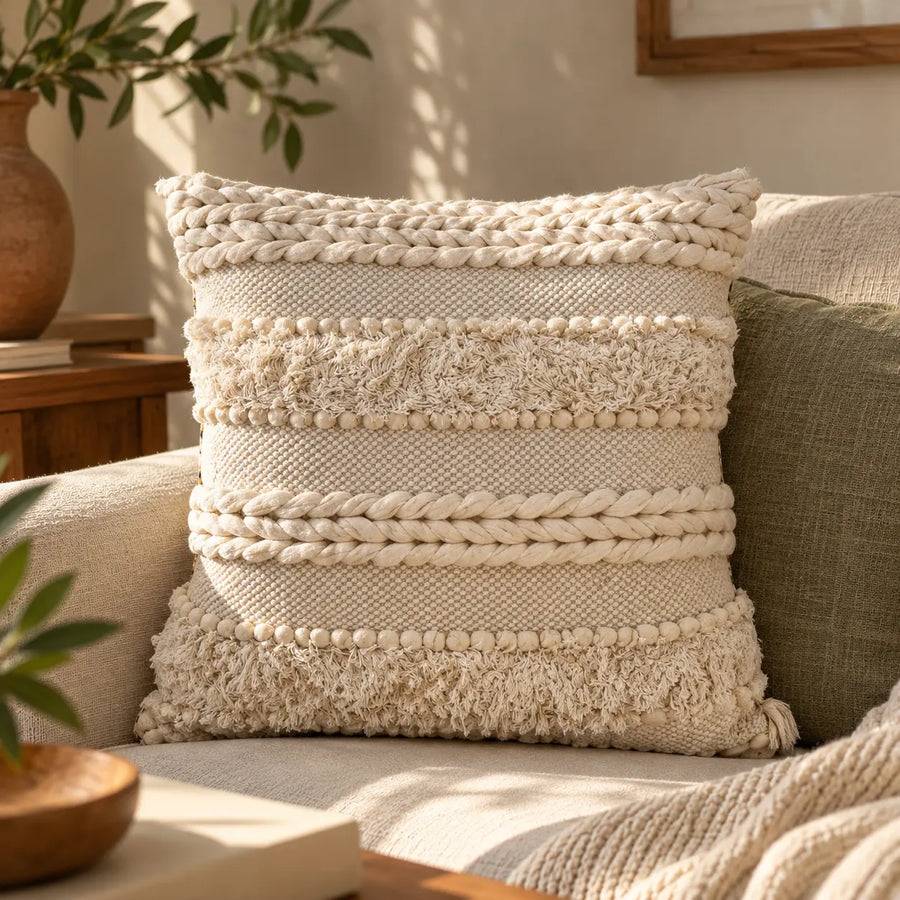
Texture brings depth even to a neutral bed. Pair smooth cotton with a quilted surface, a woven throw or a textured cushion cover.
Part 8How to Style a Bed Like a Luxury Hotel
Hotel beds feel inviting because they look crisp, generous and carefully finished. You can recreate that feeling at home with a few simple habits.
- Choose light, coordinated colours. White, ivory and soft neutrals look clean and calm.
- Keep the sheets smooth. A neatly tucked, wrinkle-free bedsheet makes an immediate difference.
- Use generous pillows. Two sleeping pillows per person, propped upright, create a sense of abundance.
- Add a bed runner or folded throw. A band of colour or texture across the foot of the bed looks polished.
- Finish with a few cushions. Two to four decorative cushions are usually enough.
- Make the bed every morning. It is the simplest way to keep the room feeling restful.
The goal is not to make your bedroom feel like a hotel room. It is to borrow the sense of care and comfort that makes a hotel bed so appealing.
Refresh your bed with the CLEEO Cushion Covers Collection and pair them with quilts from our Bedding Collection.
Part 9Small Bedroom Styling Ideas That Make a Room Feel Bigger
Many urban Indian homes have compact bedrooms. With the right choices, a small room can feel cosy and calm rather than cramped.
Keep the bedding light
Light-coloured quilts and sheets reflect more light and make the bed feel less visually heavy. You can still add personality through a printed cushion or a coloured throw.
Choose furniture with a lighter footprint
Slim bedside tables, wall-mounted shelves and beds with visible legs allow more floor to show, which makes a room feel more open.
Use storage cleverly
Under-bed storage, tall wardrobes and closed cabinets help keep surfaces clear. Store off-season bedding in breathable bags rather than leaving it in view.
Limit the cushions
In a small bedroom, a mountain of cushions can overwhelm the bed. Two or three well-chosen cushions often look more refined.

Draw the eye upward
Artwork above the headboard or tall curtains hung close to the ceiling can make the room feel taller.
Part 10Finish the Room with Bedside and Wall Details
Once the bed is styled, smaller details complete the atmosphere.
Style your bedside table simply
A bedside table should be useful first. A lamp, a book and one personal object, such as a small vase or a candle, are usually enough. A clear surface feels more restful than a crowded one.
Layer your lighting
Overhead lights can feel harsh at night. A bedside lamp or a soft wall light creates a warmer, more relaxing mood for reading and winding down.
Add artwork above the bed
A single larger artwork or a pair of smaller pieces above the headboard gives the bed wall a finished look. Choose art that echoes the colours in your bedding to tie the room together.
Bring in a gentle fragrance
Scent is an often-overlooked part of bedroom styling. A softly scented candle in the evening or a subtle diffuser can make the room feel calmer.

We explore this in more depth in The Complete Guide to Home Fragrance.
Part 11How to Care for Cotton Quilts and Printed Bedding
Good care keeps your bedding soft, colourful and long-lasting.
- Follow the care label. Every fabric and print is different, so always check washing instructions first.
- Wash printed bedding separately at first. Some printed and hand-dyed textiles may release colour in early washes.
- Use mild detergent and cool or lukewarm water. This helps protect fibres and prints.
- Dry in shade. Strong direct sunlight can fade colours over time.
- Air your quilts regularly. Airing them helps keep them fresh, particularly during humid months.
- Rotate your bedding. Having two or three sets reduces wear on any one set.
- Store clean and dry. Fold quilts loosely and store them in a dry, ventilated space.
Part 12Common Bedroom Styling Mistakes to Avoid
Buying everything in one matching set
A fully matching bed-in-a-bag can look flat. Mix a printed quilt with solid sheets or complementary cushions for a more personal look.
Too many cushions
Cushions should add comfort and colour, not become an obstacle. If you have to clear them every night, consider reducing the number.
Choosing bedding for looks alone
A beautiful quilt that feels too warm or too synthetic will not be used often. Consider comfort, climate and care alongside appearance.
Ignoring the mattress size
Sheets that do not fit properly will slip and wrinkle. Measure the mattress width, length and depth before buying.
Overcrowding surfaces
Bedside tables and dressers fill up quickly. Keep only what you use often and one or two decorative pieces.
Forgetting lighting
A bedroom lit only by an overhead light rarely feels relaxing. Add at least one softer light source.
Refresh Your Bedroom in a Weekend
You do not need to redecorate to make your bedroom feel new. Try a few of these simple changes.
- Switch to a new quilt. A fresh print or colour can transform the whole room.
- Update your cushion covers. It is the quickest way to introduce a new palette.
- Add a folded throw at the foot of the bed. Instant depth and texture.
- Clear your bedside table. Keep a lamp, a book and one meaningful object.
- Swap your lighting. Introduce a warm bedside lamp for evenings.
- Hang or rehang artwork. Centre it above the headboard for balance.
- Introduce a calming scent. A candle or diffuser can change how the room feels.
Shop the look
 Giza Premium Sofa Cushion CoverShop now →
Frequently Asked Questions About Bedroom Styling
How do I make my bedroom look more expensive?
Focus on well-fitted, smooth bedsheets, a layered quilt, coordinated cushions and soft lighting. Keep surfaces uncluttered and choose a restrained colour palette. Small, considered details often matter more than costly furniture.
What colours are best for a bedroom?
Soft neutrals, muted greens, gentle blues and warm earthy tones are popular because they feel calm. The best choice depends on your room's light, your furniture and the mood you want.
What is the best bedding for hot and humid weather?
Breathable natural fabrics such as cotton are generally more comfortable in warm, humid conditions. A light cotton quilt or bedspread is often more practical than a heavy comforter.
How many cushions should I put on a bed?
There is no fixed rule. Two to four decorative cushions in front of your sleeping pillows usually look balanced. For a small bed or room, fewer is often better.
What is the difference between a quilt and a comforter?
A quilt is made of stitched layers of fabric and is usually lighter and flatter. A comforter has a thicker filling and is warmer and puffier.
How do I mix patterns on a bed?
Start with one hero pattern, usually the quilt. Repeat one or two of its colours in your sheets and cushions, and combine large and small prints rather than two busy patterns of the same scale.
How often should I change my bedsheets?
Many people change their sheets weekly, more often in hot weather. Having at least two sets makes rotation easier.
Final Thoughts: Create a Bedroom That Feels Like a Retreat
A beautiful bedroom is not about perfection or following every trend. It is about creating a space that helps you rest, feels personal and makes the start and end of each day a little more pleasant.
Begin with the bed. Choose breathable bedding that suits your climate, layer it with care and finish it with cushions and colours that reflect your taste. Keep the surrounding surfaces calm, add soft lighting and let small details complete the room.
The most restful bedrooms are the ones that feel genuinely yours.
Discover thoughtful details for restful living with CLEEO.
Bring the ideas from this guide home.
Because a beautiful bedroom is not just something you see. It is something you feel every night.
More from the CLEEO Journal